Steroids have long been a contentious topic in the world of sports, often associated with physical enhancement and illicit practices. However, the psychological effects of these substances are crucial to understand, especially as they relate to the motivation and mental well-being of athletes. By examining the mental landscape shaped by steroid use, we can gain insights into how these drugs influence not only performance but also the overall psychological health of athletes.
Want to accelerate your training results? Order high-quality anabolic steroids from the sports pharmacy https://testosteroneenanthate-cycle.com/ – safely, conveniently, and without intermediaries.
The Psychological Effects of Steroids
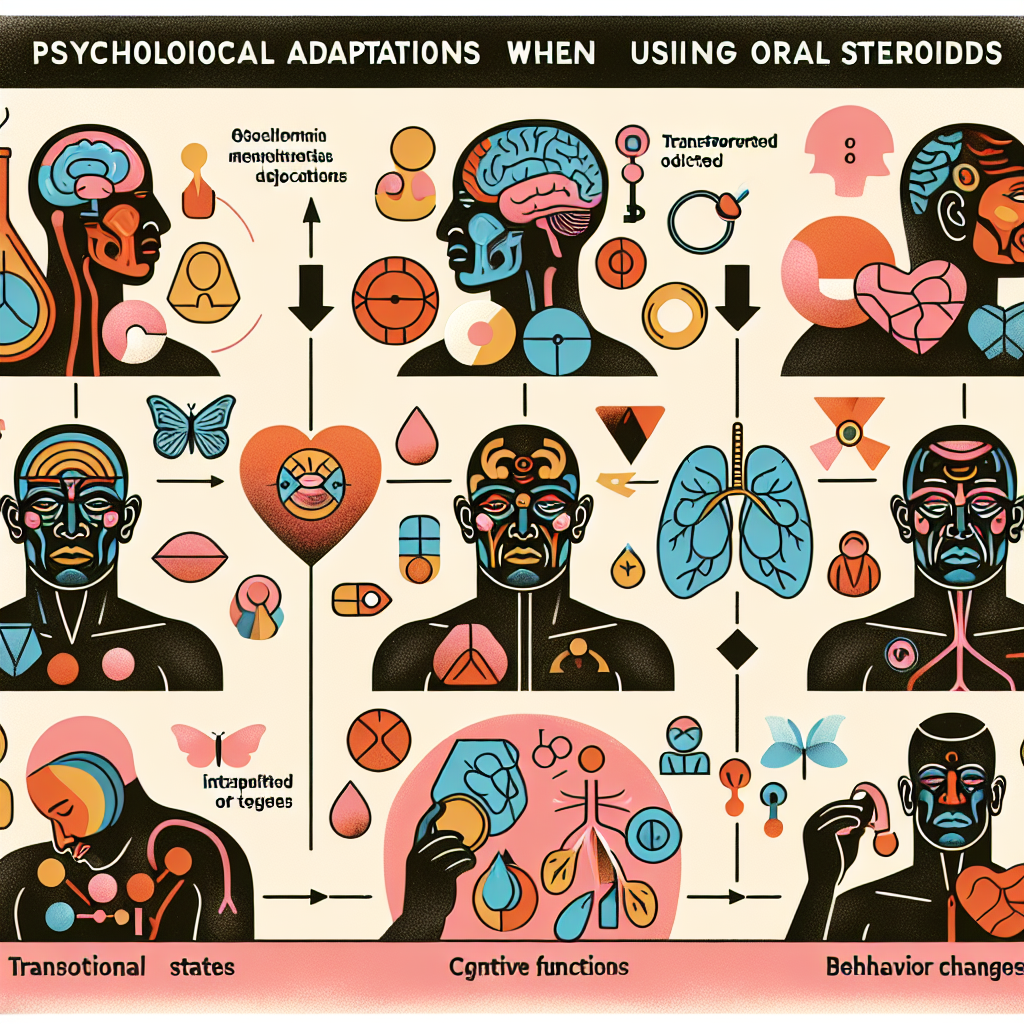
While anabolic steroids are often sought after for their physical benefits, their psychological implications are profound. Some of the key psychological effects include:
- Increased Aggression: Many athletes report heightened levels of aggression, often referred to as «roid rage.» This can lead to impulsive behaviors and volatile interactions.
- Improved Self-Esteem: Steroid users may experience a substantial boost in self-confidence and body image, which can enhance performance on the field.
- Dependence and Withdrawal: The psychological dependence on steroids can lead to withdrawal symptoms when not using them, which may include depression and anxiety.
- Mood Swings: Fluctuations in mood are common, with some users facing severe depression or anxiety when effects wear off.
- Psychotic Episodes: In rare cases, high doses can lead to more severe psychological effects such as paranoia and hallucinations.
Motivation Behind Steroid Use in Athletes
The motivations for using steroids among athletes can vary widely. Some of the most common motivators include:
- Performance Enhancement: The desire to gain a competitive edge often drives athletes to seek out steroids, believing they can significantly improve their performance.
- Pressure to Succeed: Athletes face immense pressure from fans, coaches, and themselves to perform at high levels, which can lead to steroid use as a coping mechanism.
- Peer Influence: In some sports cultures, there may be a significant normalization of steroid use, influencing athletes to conform to these practices.
- Injury Recovery: Some athletes use steroids with the hope of faster recovery from injuries, mistakenly believing that they can return to the sport sooner.
Impact on Mental Well-being
The mental well-being of athletes using steroids can be significantly jeopardized. While the immediate effects may be perceived as beneficial, such as increased energy and confidence, long-term use can lead to:
- Chronic mood disorders
- Social isolation due to altered behaviors
- Increased risk of substance abuse
- Heightened stress and anxiety levels during performance
In conclusion, while anabolic steroids may offer performance benefits to athletes, the psychological effects cannot be overlooked. Understanding the motivations behind steroid use and its impact on mental well-being is crucial for developing effective support systems for athletes, promoting healthier choices and ensuring a holistic approach to their training. Educating athletes on the risks involved may help mitigate the allure of steroids and promote safer, more sustainable paths to achieving their fitness and performance goals.